Quran Reading Help Blog

What is Hajj pilgrimage and its duration?

The Hajj pilgrimage to Mecca, Saudi Arabia is a five-day ritual. It’s an annual pilgrimage to Mecca for millions of Muslims from all over the world. What is the Hajj? The Hajj is one of the five pillars of Islam, and it is a mandatory religious pilgrimage that every physically and financially capable Muslim must undertake at least once in their lifetime. The pilgrimage is centered around the holy city of Mecca, located in Saudi Arabia.

The Hajj, one of the world’s largest gatherings, begins two days before Eid ul Adha.

The dates of the pilgrimage are confirmed by the Hajj authorities in Saudi Arabia, based on the sighting of the moon.

On the third day of Hajj each year, Muslims celebrate Eid al-Adha, Islam’s holiest festival. Read More »

Benefits of Reciting Ayat e Karima or Ayat e Kareema

Ayat e Karima is virtuous and beneficial. The most important and essential acts of Islam are included in this Ayat e Karima. “There is none worthy of worship besides You, You are far exalted and above all weaknesses, Surely, I am from among the wrongdoers”.

It was recited by Hazrat Yonus (A.S) when he was in the belly of the fish. It is mentioned in Surat Al-Anbya in this way:-
“And remember Zun-nun, when he departed in wrath: He imagined that We had no power over him! But he cried through the depths of darkness, There is no god but thou: glory to thee: I was indeed wrong! So We listened to him: and delivered him from distress: and thus do We deliver those who have faith.”

Tauheed in Ayat e Karima

Tauheed is the most important act of Islam. There are many Ahadith that tell us about the benefits and virtues of this expression. All the messengers were sent into the world from Allah Almighty to deliver the lesson of Tauheed. This kalmia E Tauheed has the power to give strength to our belief and this strength saves us from the greatest sin of Shirk. Read More »

How To Pray Tasbeeh Namaz or Salatul Tasbih or Salat-Ul-Tasbih or Tasbih Prayer

Benefits of Salat Ul Tasbih or Namaz Tasbih

There is a hadith about salatul tasbih in which, Our Beloved Prophet Muhammad (PBUH) said to his uncle (his father’s brother), Sayyiduna Abbas (may Allah be pleased with him):

“O uncle, shall I not give you, shall I not grant you, shall I not award you, shall I not show you mercy? When you perform ten specific actions, Allah will forgive your sins — those of the future and the past, the new and the old, those you committed unknowingly and those you committed knowingly, the big and the small, the hidden and the open.”

The Prophet (PBUH) then explained and taught him the method of performing Salatul Tasbih. He further said:

“If you can, pray this Salah once a day. If you cannot, then once every Friday. If that is not possible, then once a month. If even that is not possible, then once a year — and if you cannot do even that, then at least once in your lifetime.” Read More »

Lailatul Qadr – The Night of Power, Signs and It’s Significance

On the 27th of Ramadan, the Holy Quran was sent down from Loh-E-Mahfooz (the Preserved Tablet) to the earth. Messenger of ALLAH (Blessings of Allah and peace be on him) told us to search for Shab-e-Qadr on the odd-numbered nights, in the last ten days of Ramadan. So, the 21st, 23rd, 25th, 27th, or 29th night of Ramadan could be Lailatul Qadr.

It’s further mentioned in Sahih Muslim, Vol No. 2, in the Book of Fasting, Hadith No. 2635, that the Prophet said, “On the night of Lailatul Qadr, the moon will appear like a plate towards the fag end of the month.”

Allah (SWA) Says in tQur’an 97: 1-5; “verily! We have sent it (Quran) down on the Night of Decree (Lailatul-Qadr). And what will make you know what the Night of Decree is? The Night of Decree is better than a thousand months. Therein descend the angels and the Rooh (i.e. Gabriel) by Allaah’s Permission with all Decrees, Peace! until the appearance of dawn.” Read More »

Arabic Basic Common Verbs With Transliteration

On this resource, we will delve into Arabic basic common verbs with transliteration, accompanied by their transliteration for ease of learning and pronunciation. Whether you’re a beginner seeking to grasp essential language skills or an enthusiast aiming to enhance your Arabic proficiency, this guide will provide you with a solid foundation in using common Arabic verbs effectively. Unlock the power of communication and understanding through this invaluable resource.


EnglishStandard ArabicTranslitEgyptian ArabicTranslit
to be (not used in present tense)كان – يكون (كون)kaana – yakuunu (koon)kaan – yikuun (koon)
to do; to makeفعل – يفعل (فعل)fa3ala – yaf3alu (fa3l)عمل – يعمل3amal – yi3mil (3amal)
to workعمل – يعمل (عمل)3amala – ya3milu (3amal)اشتغل – يشتغل (سغل)ištaġal – yištaġil (šuġl)
to bring, fetchأحضر – يحضر (احضار)aHDara – yuHDiru (iHDaar)جاب – يجيب (جيبان)gaab – yigiib (gayabaan)
to takeأخذ – يأخذ (أخذ)axada – ya’xudu (axd)خد – ياخد (اخد)xad – yaaxud (axd)
to putوضع – يضع (وضع)waDa3a – yaDa3u (waD3)حطّ – يحطّ (حطّ)HaTT – yiHoTT (HaTT)
to becomeأصبح – يصبح (اصباح)aSbaHa – yuSbiHu (iSbaaH)بقى – يبقىba’a – yib’a
to change (s.t.)غيّر – يغيّر (تغيير)ġayyara – yuġayyiru (taġyiir)ġayyar – yiġayyar (taġyiir)
to countعدّ – يعدّ (عدّ)3adda – ya3uddu (3add)3add – yi3idd (3add)
to go (to)ذهب – يذهب (ذهاب) إلىdahaba – yadhabu (dahaab) ilaراح – يروح (مرواح | روحان)raaH – yiruuH (mirwaaH/rawaHaan)
to walkمشى – يمشي (مشي)maša – yamši (mašy)مشي – يمشي (مشي)miši – yimši (mašy)
to runجرى – يجري (جري)jara – yajri (jary)geri – yigri (gary)
to comeجاء – يجئ (جيئة)jaa’a – yajii’u (jii’a)جه – يجي (مجي)geh – yiigi (migiyy)
أتى – يأتي (اتي)ata – yaa’ti (aty)
to returnرجع – يرجع (رجوع) إلىraja3a – yarja3u (rujuu3)rigi3 – yirga3 (ruguu3)
عاد – يعود (عودة) إلى3aada – ya3uudu (3awda)
to arriveوصل – يصل (وصول) إلىwaSala – yaSilu (wuSuul) ilaوصل – يوصل (وصول)wiSil – yiwSil (wuSuul)
to sitجلس – يجلس (جلوس)jalasa – yajlisu (juluus)قعد – يقعد (قعاد)‘a3ad – yu’3ud (‘u3aad)
to get up, riseقام – يقوم (قيام)qaama – yaquumu (qiyaam)‘aam – yi’uum (‘iyaam)
to fallوقع – يقع (وقوع)waqa3a – yaqa3u (wuquu3)وقع – يوقع (وقوع)wi’i3 – yiw’a3 (wu’uu3)
سقط – يسقط (سقوط)saqaTa – yasquTu (suquuT)
to go upطلع – يطلع (طلوع)Tala3a – yaTla3u (Tuluu3)Tili3 – yiTla3 (Tuluu3)
to go downنزل – ينزل (نزول)nazila – yanzilu (nuzuul)nizil – yinzil (nuzuul)
to cookطبخ – يطبخ (طبخ)Tabaxa – yaTbuxu (Tabx)Tabax – yiTbux (Tabx)
to eatأكل – يأكل (أكل)akala – yaa’kulu (akl)كل – ياكل (أكل)kal – yaakul (akl)
to drinkشرب – يشرب (شرب)šariba – yašrabu (šurb)širib – yišrab (šurb)
to wake upصحى – يصحو (صحو)SaHa – yaSHu (SaHw)صحي – يصحى (صحو)SaHa – yiSHa (SaHw)
استيقظ – يستيقظ (استيقاظ)istayqaZa – yastayqiZu (istiiqaaZ)
to sleepنام – ينام (نوم)naama – yanaamu (nawm)naam – yinaam (noom)
to washغسل – يغسل (غسل)ġasala – yaġsilu (ġasl)ġasal – yiġsil (ġasl/ġasiil)
to cleanنظّف – ينظّف (تنظيف)naZZafa – yunaZZifu (tanZiif)naZZaf – yinaZZaf (tanZiif)
to studyدرس – يدرس (دراسة)darasa – yadrusu (diraasa)daras – yidris (diraasa)
to learnتعلّم – يتعلّم (تعلّم)ta3allama – yata3allamu (ta3allum)اتعلّم – يتعلّم (تعلّم)it3allim – yit3allim (ta3allum)
to understandفهم – يفهم (فهم)fahima – yafhamu (fahm)fihim – yifham (fahm)
to knowعرف – يعرف (معرفة)3arafa – ya3rifu (ma3rifa)3irif – yi3raf (ma3rifa)
to rememberتذكر – يتذكر (تذكر)tadakkara – yatadakkaru (tadakkur)افتكر – يفتكر (افتكار)iftakar – yiftikir (iftikaar)
to forgetنسي – ينسى (نسي)nasiya – yansaa (nasi)nisi – yinsa (nasi)
to describeوصف – يصف (وصف)waSafa – yaSifu (waSf)وصف – يوصف (وصف)waSaf – yiwSif (waSf)
to try, test (s.t)جرّب – يجرّب (تجريب)jarraba – yujarribu (tajriib)garrab – yigarrib (tagriib)
to try, attempt to do s.t.حاول – يحاول (محاولة) أنHaawala – yuHaawilu (muHaawala) an
to be able to do s.t.قدر – يقدر (قدرة) أنqadara – yaqdiru (qudra) an‘idir – yi’dir (‘odra)
استطاع – يستطيع (استطاعة) أنistaTaa3a – yastaTii3u (istiTaa3a) an
to readقرأ – يقرأ (قراءة)qara’a – yaqra’ (qiraa’a)قرأ – يقرأ (قراية)‘ara – yi’ra (‘iraaya)
to writeكتب – يكتب (كتابة)kataba – yaktubu (kitaaba)katab – yiktib (kitaaba)
to translateترجم – يترجم (ترجمة)tarjama – yutarjimu (tarjama)targam – yitargim (targama)
to talk (reflexive)تكلّم – يتكلّم (كلام | تكلّم)takallama – yatakallamu (kalaam/takallum)اتكلّم – يتكلّم (كلام)itkallim – yitkallim (kalaam)
تحدّث – يتحدّث (تحدّث)taHaddata – yataHaddatu (taHaddut)
to say, tellقال – يقول (قول)qaala – yaquulu (qawl)‘aal – yi’uul (‘awl)
to ask (a question)سأل – يسأل (سؤال)sa’ala – yas’alu (su’aal)
to requestطلب – يطلب (طلب)Talaba – yaTlubu (Talab)
to reply, answer (to)أجاب – يجيب (اجابة) علىajaaba – yujiibu (ijaaba) 3alaagaab – yigiib (igaaba) 3ala
ردّ – يردّ (ردّ) علىradda – yarudd (radd) 3ala
to thankشكر – يشكر (شكر)šakara – yaškuru (šukr)šakar – yiškur (šukr)
to complain (about)شكى – يشكو (شكوى) منšaka – yašku (šakwa) minاشتكى – يشتكي (شكوى) منištaka – yištiki (šakwa) min
to promiseوعد – يعد (وعد) بـwa3ada – ya3idu (wa3d) biوعد – يوعد (وعد)wa3ad – yiw3id (wa3d) bi
to seeرأى – يرى (رؤية)ra’a – yara (ru’ya)شاف – يشوف (شوفان | شوف)šaaf – yišuuf (šawafaan/šoof)
to look atنظر – ينظر (نظر) إلىnaZara – yanZuru (naZar) ilaبصّ – يبصّ (بصّ | بصصان) علىbaSS – yibuSS (baSS/baSaSaan) 3ala
to look forبحث – يبحث (بحث) عنbaHata – yabHatu (baHt) 3anدوّر – يدوّر (تدوير) علىdawwar – yidawwar (tadwiir) 3ala
to findوجد – يجد (وجود)wajada – yajidu (wujuud)لاقى – يلاقيlaa’a – yilaa’i (la’ayaan)
to lose (s.t.)ضيّع – يضيّع (تضييع)Dayya3a – yuDayyi3u (taDyii3)
to organizeنظّم – ينظّم (تنظيم)naZZama – yunaZZimu (tanZiim)
to organize, tidy upرتّب – يرتّب (ترتيب)rattaba – yurattibu (tartiib)
to smoke (in general)دخّن – يدخّن (تدخين)daxxana – yudaxxinu (tadxiin)
to happenحدث – يحدث (حدوث)Hadata – yaHdutu (Huduut)حصل – يحصل (حصول)HaSal – yiHSal (HuSuul)
to watchشاهد – يشاهد (مشاهدة)šaahada – yušaahidu (mušaahada)اتفرّج – يتفرّج علىitfarrag – yitfarrag 3ala
to hearسمع – يسمع (سمع | سماعة)sami3a – yasma3u (sam3/samaa3a)simi3 – yisma3 (sama3)
to listen toاستمع – يستمع (استماع) إلىistama3a – yastami3u (istimaa3) ilaسمع – يسمع (سمع)simi3 – yisma3 (sama3)
to giveأعطى – يعطي (اعطاء)a3aTa – ya3aTi (i3Taa’)ادّى – يدّي (مدّية)idda – yiddi (middiyya)
to carryحمل – يحمل (حمل)Hamala – yaHmilu (Haml)شال – يشيل (شيل | شيلان)šaal – yišiil (šeil/šayalaan)
to loveأحبّ – يحبّ (حبّ)aHabba – yuHibbu (Hubb)حبّ – يحبّ (حبّ)Habb – yiHibb (Hubb)
to hateكره – يكره (كره | كراهة)kariha – yakrahu (karh/karaaha)karah – yikrah (karh/karaaha)
to be bornوُلد – يُولد (ولادة)wulida – yuuladu (wilaada)اتولد – يتولدitwalad – yitwalad
to liveعاش – يعيش (معيشة)3aaša – ya3iišu (ma3iiša)
to live (in a place)سكن – يسكن (سكن) فيsakana – yaskunu (sakan) fi
to dieمات – يموت (موت)maata – yamuutu (moot)
to pass awayتوفّي – يتوفي (وفاة)tuwuffiya – yutawaffayu (wafaah)اتوفى – يتوفي (وفاة)itwaffa – yitwaffi (wafaah)
to waitانتظر – ينتظر (انتظار)intaZara – yantaZiru (intiZaar)استنى – يستنيistinna – yistinni
to buyاشترى – يشتري (شراء)ištara – yaštari (širaa’)ištara – yištiri
to sellباع – يبيع (بيع)baa3a – yabii3u (bii3)
to pay; to pushدفع – يدفع (دفع)dafa3a – yadfa3u (daf3)dafa3 – yidfa3
to pushزق – يزق (زق)za” – yizu” (za”)
to open (s.t.)فتح – يفتح (فتح)fataHa – yaftaHu (fatH)fataH – yiftaH (fatH)
to close (s.t.)غلق – يغلق (غلق)ġalaqa – yaġliqu (ġalq)قفل – يقفل‘afal – yi’fil
to begin, start (s.t.)بدأ – يبدأ (بدء)bada’a – yabda’u (bad’)bada’ – yibda’
to end (reflexive)انتهى – ينتهي (انتهاء)intaha – yantahi (intihaa’)
to stop (reflexive); to stand upوقف – يقف (وقف | وقوف)waqafa – yaqifu (waqf/wuquuf)wi’if – yiw’af (wa’f)
to finish (s.t.)خلّص – يخلّص (تخليص)xallaSa – yuxalliSu (taxliiS)xallaS – yixallaS (taxliiS)
شطّب – يشطّب (تشطيب)šaTTab – yišaTTab (tašTiib)
to stop (reflexive); to stand upوقف – يقف (وقف | وقوف)waqafa – yaqifu (waqf/wuquuf)wi’if – yiw’af (wa’f)
to playلعب – يلعب (لعب)la3aba – yal3ibu (li3b)
to use (s.t.)استخدم – يستخدم (استخدام)istaxdama – yastaxdimu (istixdaam)
استعمل – يستعمل (استعمال)ista3mala – yasta3milu (isti3maal)
to enterدخل – يدخل (دخول)daxala – yadxulu (duxuul)daxal – yudxul
to go outخرج – يخرج (خروج)xaraja – yaxruju (xuruuj)xarag – yixrag
to leaveغادر – يغادر (مغادرة)ġaadara – yuġaadiru (muġaadara)ساب – يسيبsaab – yisiib
to ride (ex. a taxi)ركب – يركب (ركوب)rakiba – yarkabu (rukuub)rikib – yirkab
to sendأرسل – يرسل (ارسال)arsala – yursilu (irsaal)بعت – يبعتba3at – yib3at
to receiveاستلم – يستلم (استلام)istalama – yastalimu (istilaam)istalam – yistilim (istilaam)
to think (about s.t.)فكّر – يفكّر (تفكير)fakkara – yufakkiru (tafkiir)fakkar – yifakkar (tafkiir) fi
to think (that)ظنّ – يظنّ (ظن) أنZanna – yaZunnu (Zann) annaافتكر – يفتكرiftakar – yiftikir
to believe (that)اعتقد – يعتقد (اعتقاد)i3taqada – ya3taqidu (i3tiqaad) anna
to need (s.t.)احتاج – يحتاج (احتياج) إلىiHtaaja – yaHtaaju (iHtiyaaj) ilaiHtaag – yiHtaag
to want (to)أراد – يريد (ارادة)araada – yuriidu (iraada) anعايز – عايزة3aayiz/3aayza (or 3aawiz/3aawza) – active participle
to succeedنجح – ينجح (نجاح)najaHa – yanjaHu (najaaH)nagaH – yingaH (nagaaH)
to failفشل – يفشل (فشل)fašila – yafšalu (fašal)

One Week Free Trial Classes


To help you understand and learn basic Arabic common verbs with transliteration, we offer Quran classes for beginners. Avail our free trial lessons, allowing you to make an informed decision before paying fee.
Enroll now and experience the best online Quran Classes with us. Start your free trial today! Read More »

The Holy Quran – Learn Reading Quran Online

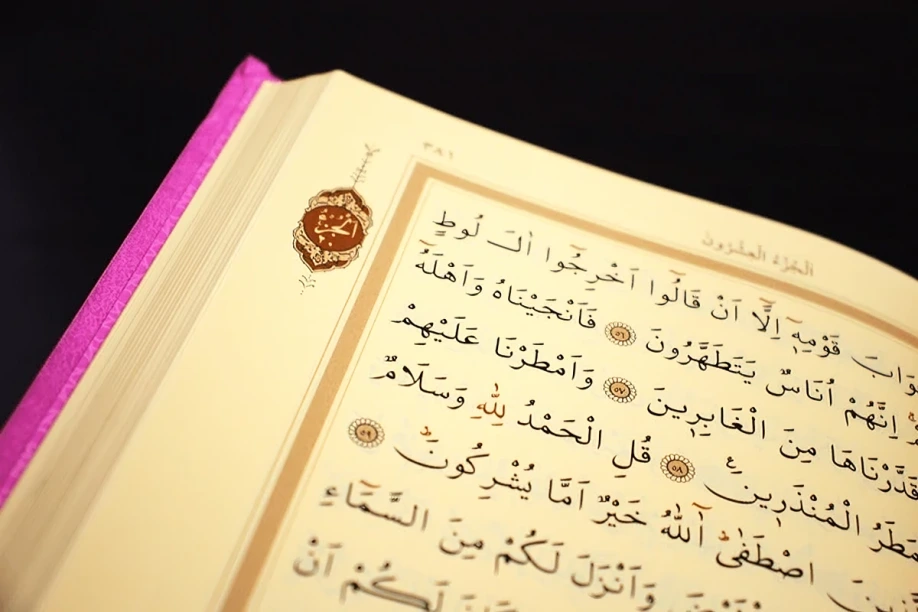
Islam emerged through the medium of a sacred scripture known as the Quran. According to Islamic beliefs, the Holy Quran, also sometimes spelled as “Koran,” is regarded by Muslims as the divine Word of God, communicated through the Angel Gabriel to his Prophet Muhammad in the Arabic language. Each Muslim tries to learn reading Quran online.

Muslims perceive the Quran as surpassing earlier revelations and consider it a comprehensive culmination of these prior messages. It is regarded as the ultimate revelation, since Muhammad is acknowledged as the final prophet, often referred to as the “Seal of the Prophets.”

In a profound manner, the holy Quran assumes the role of a guide for millions of Muslims, both those of Arab origin and those from diverse backgrounds. It exerts a significant influence on their daily lives, serving as a foundation for a distinctive legal framework and offering inspiration through its guiding tenets. Crafted in a dignified language, this sacred text has not only moved countless individuals to tears and moments of profound emotion but has also, for nearly fourteen centuries, illuminated the experiences of Muslims with its eloquent proclamation of unwavering monotheism, human worth, virtuous conduct, individual accountability, and equitable social principles. As a result, for innumerable individuals, it stands as the foremost driving force that shapes their religious, societal, and cultural conduct. Indeed, the Quran stands as the pivotal cornerstone upon which the entire structure of Islamic civilization has been erected. Read More »

Learn The Six Kalimas of Islam – English Translation and Transliteration

Learn the six Kalimas of Islam are concise statements of faith in Islam that encapsulate key beliefs of the religion. They are recited by Muslims as part of their faith and devotion. Each Kalima emphasizes important aspects of Islamic theology. Here are the 6 Kalmas along with their English translations and transliteration:

1- First Kalima (Tayyab):

                  لَا إِلٰهَ إِلَّا اللهُ مُحَمَّدٌ رَسُولُ اللهِ

Laaa Ilaaha Illa-llaahu Muhammadur-Rasoolu-llaah 

There is none worthy of worship except Allah and Muhammad is the Messenger of Allah

Learn The Six Kalimas

2 – Second Kalima (Shahadat):

أَشْهَدُ أَنْ لَا إِلٰهَ إِلَّا اللهُ وَحْدَهُ لَا شَرِيكَ لَهُ وَأَشْهَدُ أَنَّ مُحَمَّدًا عَبْدُهُ وَرَسُولُهُ

Ash-hadu Al-laaa Ilaaha Illa-llaahu Wahdahoo Laa Shareeka Lahoo Wa-Ash-hadu Anna Muhammadan ‘Abduhoo Wa Rasooluhu.

I bear witness that there is none worthy of worship except Allah, the One alone, without a partner, and I bear witness that Muhammad is His servant and Messenger. Read More »

Reward for Reading the Whole Quran – Learn Quran

Reading the whole Quran is one of the best good deeds a Muslim can do. Also, it is a great means of spiritually recharging and lifting up the heart. Blessings and reward for reading whole Quran are countless.

Hence, a good practicing Muslim should learn and recite as much of the Qur’an as he/ she can.

Responding to your question, Dr. Mohammad Qatanani, Professor at the Islamic American University and Imam of the Islamic Centre of Passaic County in New Jersey stated,

Reciting the Qur’an is the best act of worship after the obligations. Indeed, the Qur’an will be a witness either for or against you according to your relationship with it.

`Uthman (may Allah be pleased with him) said that the Prophet (peace and blessings be upon him) said, “The best of you are the ones who learn the Qur’an and teach it to others.” (Al-Bukhari) Read More »

Quran Reading with Tajweed – Learn Quran Recitation

Literally, ‘tajweed‘ means improvement and perfection. If you do something with tajwid it means you are trying to do it with the utmost quality and in the most perfect way possible. The term Quran reading with tajweed is used to refer to the science concerned with correct recitation and pronunciation of the Qur’anic words and verses. The relationship is clear between the literal meaning of the word and its technical usage; the literal meaning revolves around perfecting an action or a performance, which is the recitation of the Qur’an as far as the science of Tajwid is concerned.

After the rapid spread of Islam in its early centuries, especially among non-Arabs, Muslim scholars deemed it necessary to put down a set of rules that serve as a reference for the Qur’an learners. So, Tajweed has been the reference for people who wished to recite the Qur’an in a correct manner. This, however, does not deny the fact that the Qur’an cannot be learned independently, without the assistance of a skilled teacher. The unique isnad-based system of learning Qur’an continued to be the recognized way for teaching students how to recite the Qur’an and for training them on Tajwid. In the isnad-based system, a student recites the whole Qur’an by heart, from the beginning to the end, fulfilling the rules of Tajwid to a certified Qur’an teacher, and then the student is certified by the teacher to be qualified to recite and teach the Qur’an. The certificate is called ijazah (license). A typical ijazah lists the teachers of the granting sheikh (the isnad or sanad , an unbroken chain of teachers that goes back to the Prophet). Read More »